Empowering tribal communities to tell their own stories through community-led media that inspires dialogue, preserves culture, and drives positive social change.
Putting Indigenous Voices at the Centre of Change
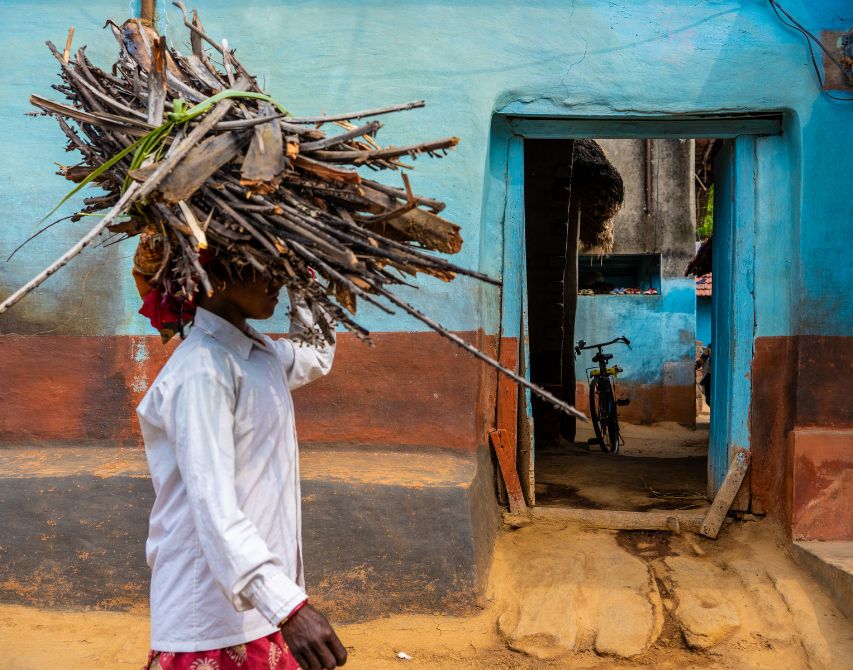
For most of a century, “development” has reached Purulia’s tribal villages as something done to people, not with them. Plans written in offices far away. Messages in a language that isn’t spoken at home. Schemes that pack up when the funding ends.
We want to try it the other way round.
This is a small pilot in 10 tribal villages in Purulia, West Bengal, since 2024-25. The idea is easy to state and difficult to do, honestly: put Adivasi (Indigenous) families and their own ways of talking to each other at the centre, and build everything out from there. We are not arriving with answers. We are starting from what already works in these villages and asking what a programme might look like if it actually belonged to them.
Why Tribal Connect
Goal
To empower Adivasi youth and communities to create and share their own stories through community media, fostering awareness, participation, leadership, and collective action on issues that matter most to them.
Need for the Program
For decades, development initiatives have often been designed for tribal communities rather than with them. Language barriers, cultural disconnects, and limited participation have reduced their effectiveness. Community Video addresses this gap by placing Indigenous voices, experiences, and traditional governance systems at the heart of communication. By enabling local youth to produce content in their own languages and cultural forms, the programme creates trusted spaces for dialogue, strengthens community ownership, preserves cultural identity, and encourages informed decision-making.
Why community media
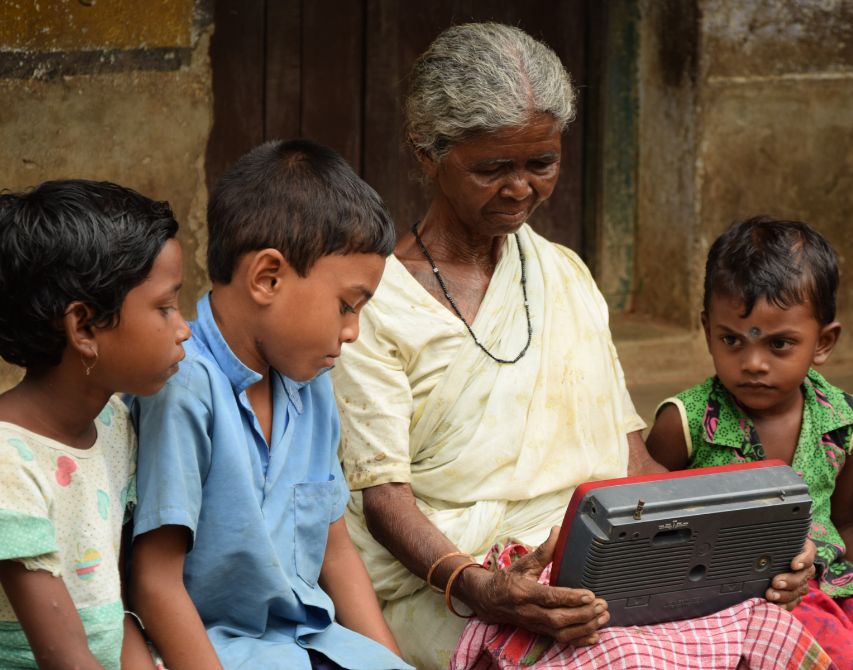
The clinic is far away and feels like someone else’s world. A printed poster reaches no one who doesn’t read. But a song reaches people. So does a radio story in your own language, or a play performed by someone you grew up with.
Radio, video, podcasts, theatre, music, these aren’t trimmings on the real work. They are the ways to reach people easily. They carry what needs saying in forms people already trust, and they pass the microphone to the youth who normally have the least say in anything. A teenager who has felt invisible at home becomes the voice the whole village tunes in to hear. The message matters, but so does who gets to speak it.
The pilot
Ten villages. A small team of peer educators who are young people from these same communities, trained to run listening circles and family forums. A Youth Advisory Group that decides what the content should say and tells us when we’ve got it wrong. Media made by local youth, in local languages, about what actually weighs on them: the droughts, the parents who leave for city work, alcohol and tobacco, and the kind of loneliness nobody puts a name to.
We are keeping it small on purpose. Ten villages are enough to learn something real and few enough to stay honest about it. It’s better to understand a handful of places properly than to claim thin reach across a district.
What we want to learn
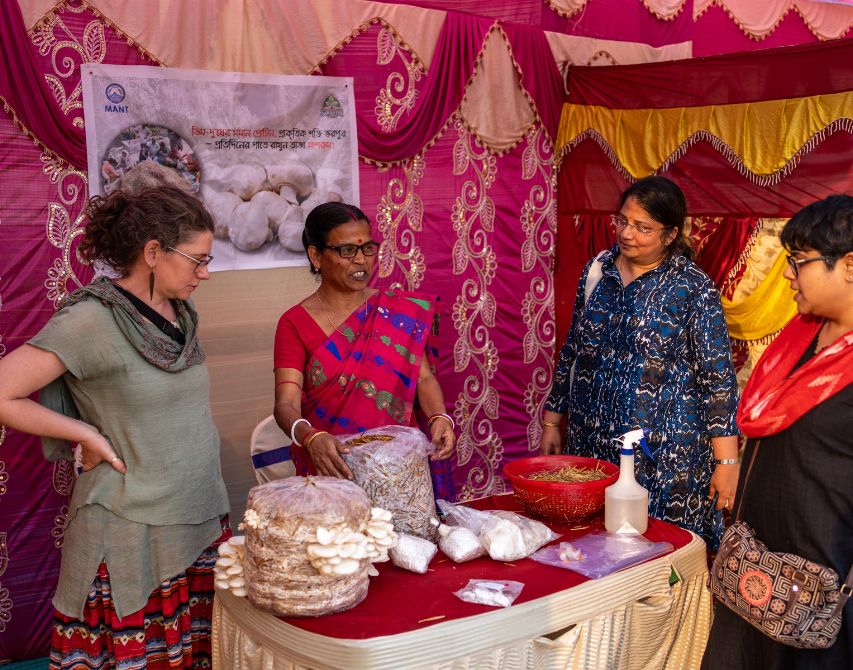
The pilot is being conducted to answer some questions. Which cultural forms travel furthest? Which conversations are families ready to have, and which ones aren’t? What do peer educators need so that the work doesn’t wear them out? Where are we, MANT, simply wrong? Whatever comes out of these ten villages becomes the ground we build the bigger programme on—designed with the people who taught us, not drawn up for them.
If it works, it won’t be down to a clever plan of ours. It’ll be because ten villages took the tools and made the work their own.